
Navigating post surgical pain healing and recovery in Kennesaw
Surgery is an injury too. It has a recovery.
Surgery is a major physical trauma that requires a structured recovery process. When progress plateaus and discomfort lingers, understanding the underlying mechanical and neurological factors is essential for finding lasting relief. If you are searching for post surgical pain treatment in Kennesaw, start here.
Surgery is an injury too and requires careful recovery
Surgery is a controlled physical trauma. Your body must heal not just the primary condition, but the incision, scar tissue, and disrupted local nerves. When progress stalls, it creates persistent post surgical pain healing challenges. You may feel frustrated when expected timelines pass and stiffness or discomfort remains. At LeadWorks Chiropractic, we evaluate how your nervous system and surrounding tissues respond to this major physical event.
As part of our long-term wellness approach, we focus on lifelong physical resilience. We understand that your body requires time, precision, and active participation to fully adapt following a major medical procedure.
Why post surgical pain healing sometimes stalls
Healing relies on local blood flow, cellular repair, and balanced nervous system signaling. When scar tissue binds down surrounding fascial planes, it restricts natural movement. This mechanical tethering creates ongoing inflammation and nerve irritation. Additionally, prolonged post-operative guarding alters your biomechanics, placing excessive strain on adjacent joints. Our approach focuses on addressing these mechanical restrictions alongside targeted therapies like Post-Surgical & Post-Injury Rehabilitation.
What our examination looks for
A thorough examination identifies why your recovery has plateaued. We assess joint mobility, scar tissue mobility, muscle guarding patterns, and neurological function. We look closely at how you move to see if compensatory habits are creating secondary strain. If your case requires nutritional support for tissue repair, we may discuss Functional Nutrition & Supplementation. We also maintain clear criteria for when a case requires a direct medical referral.
How we support post surgical pain healing here
Care is tailored to your specific tissue tolerance and surgical history. We do not force movement or attempt to cure underlying systemic diseases. Instead, we use gentle manual techniques, precise movement re-education, and non-invasive modalities. Depending on your presentation, we may incorporate Cold Laser / Low-Level Laser Therapy, Pulsed Electromagnetic Field (PEMF) Therapy, or Red Light Therapy to support local cellular energy production. We also utilize Class IV Robotic MLS Laser Therapy to help manage inflammation and discomfort.
Realistic recovery expectations and next steps
Recovery after a surgical plateau takes time, consistency, and active participation. Evidence shows that combining gentle mechanical therapy with targeted modalities yields measurable functional improvements. Whether you are a former athlete wanting to return to training, or an active adult wanting to lift your grandchildren in Kennesaw, we provide clear, evidence-based guidance. For complex tissue healing support, we may also explore Regenerative Therapies (PRP / Cell-Based) as part of your comprehensive care plan.
What this is treated with
Relief first, because pain makes everything else impossible. But relief alone is why conditions come back.

Post-Surgical & Post-Injury Rehabilitation
After the operation, or after the injury.

Functional Nutrition & Supplementation
Food as an input, tested rather than assumed.

Regenerative Therapies (PRP / Cell-Based)
Promising, honestly framed, and not for everyone.
Technology that guides your care

Class IV Robotic MLS Laser Therapy
Two wavelengths, and enough power to reach a hip.

Cold Laser / Low-Level Laser Therapy
Light the tissue absorbs, at low power.

Pulsed Electromagnetic Field (PEMF) Therapy
A pulsed field, and cells that respond to it.

Red Light Therapy
The wavelengths skin and mitochondria absorb best.
Articles that might interest you
Sciatica or a Pulled Muscle? How to Tell the Difference
Pain in the buttock and down the leg can come from an irritated nerve or a strained muscle, and the right care depends on which one it is. H…
Dr. Becca Shaw, DCRead the article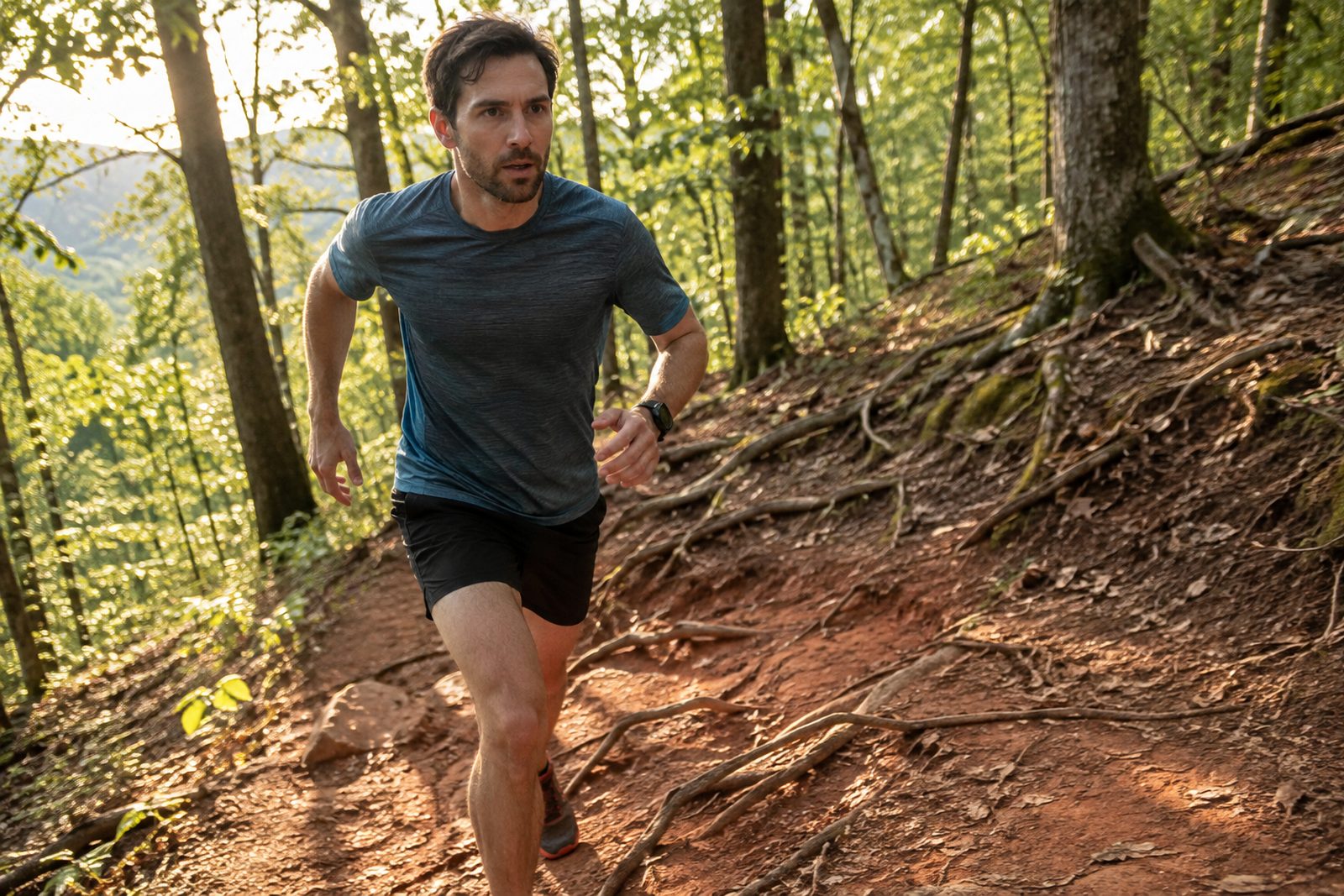
Running Kennesaw Mountain Without Wrecking Your Knees and Back
The climb up Kennesaw Mountain is a local rite of passage, and the descent is where most runners get hurt. A sports chiropractor's guide to …
Dr. Sam Ebberlein, DCRead the article
Spinal Decompression: Who It Helps, and Who It Doesn't
Non-surgical spinal decompression can be a good fit for certain disc and nerve problems. Here is how we decide whether you are a candidate, …
Dr. Becca Shaw, DCRead the articleConsultation, exam and X-rays, with a written plan you can take home — and a straight answer about whether we can help.
Book your assessment →Free tools that give you a real answer.
See your full result on screen in a few minutes. No email required.
Post-Surgical Pain & Difficulty Healing, answered plainly
Persistent discomfort often stems from scar tissue adhesions, altered movement patterns, or localized nerve irritation. Even after the primary surgical site heals, surrounding muscles and fascia may remain in a state of chronic guarding, restricting normal joint mechanics and keeping inflammatory pathways active.
Yes, with careful modifications. We never manipulate directly over recent surgical fusion sites or fresh incisions. Instead, we use gentle, non-invasive techniques on adjacent regions to improve overall biomechanics, reduce muscle tension, and support your body's natural recovery processes.
You should contact your surgeon or seek medical evaluation immediately if you experience sudden swelling, redness spreading from the incision, fever, drainage, unmanaged severe pain, or progressive neurological deficits like numbness or loss of bowel or bladder control.
Modalities like light therapy and pulsed electromagnetic fields work at the cellular level to support mitochondrial function and local circulation. While they do not replace surgical intervention or medical management, evidence suggests they help reduce local inflammation and support tissue recovery.
Schedule your consultation in Kennesaw today
Take the next step toward effective, drug-free recovery. Contact our team to discuss your post-surgical rehabilitation options and how we can support your goals.