
Managing achilles tendonitis for active adults in Kennesaw
The tendon that carries your whole body weight.
The tendon that carries your whole body weight requires precise, evidence-based care to heal effectively without relying on drugs or surgery. If you are searching for achilles tendonitis treatment in Kennesaw, start here.
What is achilles tendonitis?
The Achilles tendon is the thick band of tissue connecting your calf muscles to your heel bone. It carries your whole body weight with every step, absorbing significant mechanical loads during walking, running, or jumping. When this tissue experiences repetitive micro-trauma exceeding its natural capacity to repair, microscopic tears and cellular inflammation develop. This structural strain produces localized stiffness and discomfort that typically worsens after periods of rest.
Understanding the mechanical root causes
Pain rarely develops without reason. In Kennesaw, we frequently evaluate active adults whose daily routines or athletic training exceed tissue tolerance. Rapid increases in mileage, sudden shifts in footwear, or chronic calf tightness place excessive shearing forces on the tendon. Furthermore, impaired ankle mobility or poor foot mechanics forces the Achilles to compensate, creating uneven tension distribution across the lower extremity.
How we examine and differentiate your symptoms
Accurate diagnosis requires a comprehensive physical examination to rule out conditions like retrocalcaneal bursitis or plantar fasciitis. We assess your joint range of motion, palpate specific regions of the tendon, and evaluate your gait patterns. We coordinate Extremity Adjusting and Soft Tissue & Myofascial Therapy to address mechanical dysfunctions contributing to your discomfort. We also utilize Custom Foot Orthotics & Gait Support when structural foot support is required.
Evidence-based care options for recovery
Conservative management focuses on restoring normal tissue architecture and joint mechanics without drugs or surgery. Depending on your presentation, we may integrate Active Rehab & Corrective Exercise to build muscular resilience. Advanced modalities like Class IV Robotic MLS Laser Therapy, PiezoWave Myofascial Acoustic Compression Therapy, or Shockwave Therapy can stimulate cellular healing in chronic cases. Clinical evidence shows mixed results for isolated rest alone, making active mechanical loading vital.
Realistic recovery timelines and non-chiropractic cases
Tendon healing occurs slowly due to limited blood supply, requiring consistent patience over several weeks or months. While many patients experience significant functional improvement, severe tears or systemic inflammatory arthropathies require medical intervention rather than chiropractic care. If diagnostic imaging reveals a full-thickness rupture, or if you experience acute trauma with a snapping sound and immediate inability to bear weight, we immediately refer you to an orthopedic specialist in Kennesaw.
What this is treated with
Relief first, because pain makes everything else impossible. But relief alone is why conditions come back.

Extremity Adjusting
Shoulders, knees, ankles and wrists are joints too.

Soft Tissue & Myofascial Therapy
Muscle and fascia, worked by hand.

Active Rehab & Corrective Exercise
The part that decides whether it comes back.

Custom Foot Orthotics & Gait Support
Made from your foot, not selected from a wall.
Technology that guides your care

Class IV Robotic MLS Laser Therapy
Two wavelengths, and enough power to reach a hip.

PiezoWave Myofascial Acoustic Compression Therapy
Acoustic pressure, aimed at one square centimeter.

Shockwave Therapy
Deliberate controlled irritation that restarts healing.

Rapid Release Therapy
Vibration where a thumb is too much.
Articles that might interest you
Sciatica or a Pulled Muscle? How to Tell the Difference
Pain in the buttock and down the leg can come from an irritated nerve or a strained muscle, and the right care depends on which one it is. H…
Dr. Becca Shaw, DCRead the article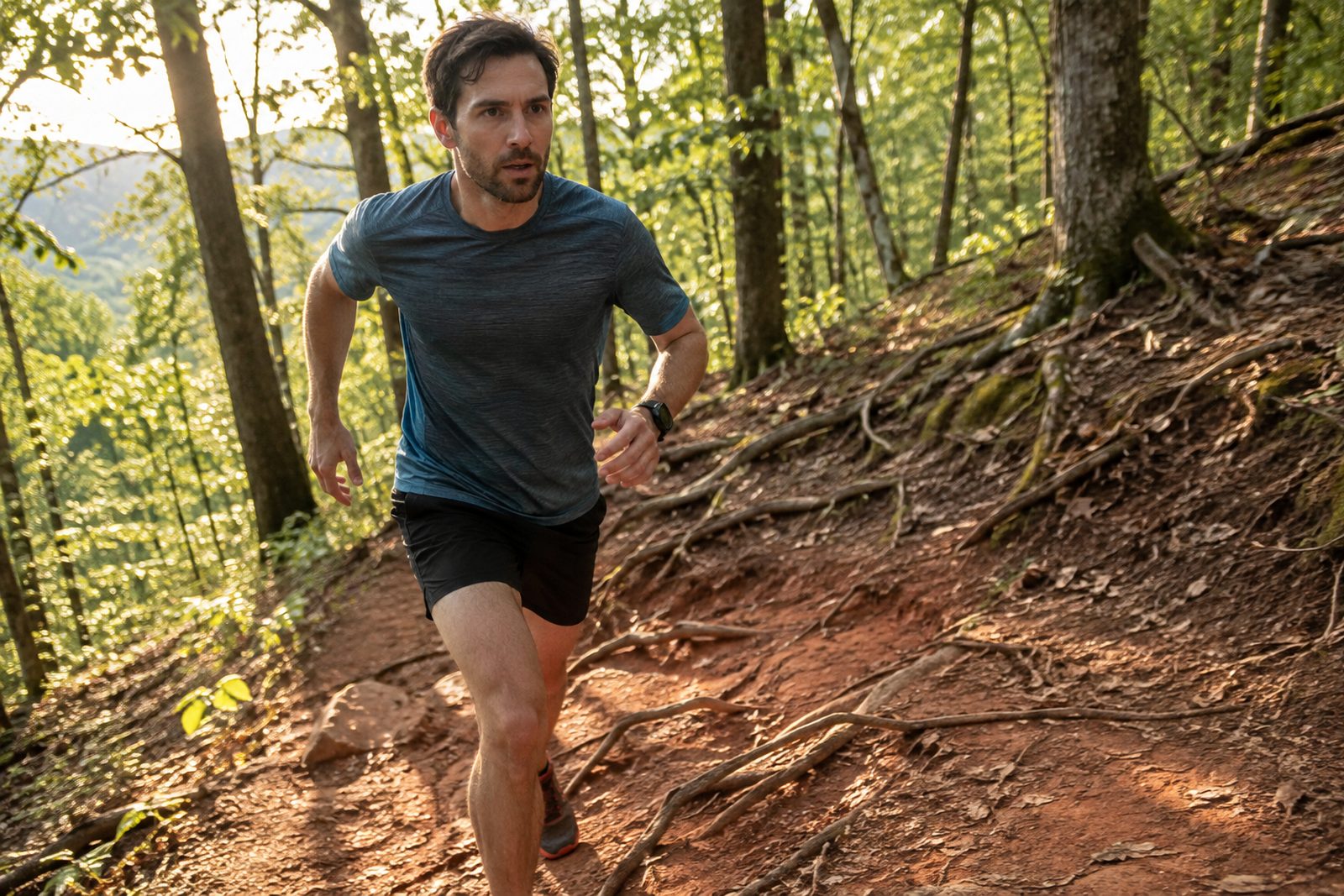
Running Kennesaw Mountain Without Wrecking Your Knees and Back
The climb up Kennesaw Mountain is a local rite of passage, and the descent is where most runners get hurt. A sports chiropractor's guide to …
Dr. Sam Ebberlein, DCRead the article
Spinal Decompression: Who It Helps, and Who It Doesn't
Non-surgical spinal decompression can be a good fit for certain disc and nerve problems. Here is how we decide whether you are a candidate, …
Dr. Becca Shaw, DCRead the articleConsultation, exam and X-rays, with a written plan you can take home — and a straight answer about whether we can help.
Book your assessment →Free tools that give you a real answer.
See your full result on screen in a few minutes. No email required.
Recovery timeline estimator
What a realistic timeline looks like for a problem like yours, what makes it longer, and the week by which the plan should change if it is not working.
Open the tool →Golf, tennis and runner movement screens
Five self-tests for golf, racquet sports or running — and for anything you fail, what it costs you and what your body does instead.
Open the tool →Interactive body map
Rotate the figure, tap where it hurts, and see what is commonly behind pain in that spot.
Open the tool →Achilles Tendonitis, answered plainly
Healing timelines vary based on how long symptoms have been present. Because tendons have a poor blood supply, recovery typically requires six to twelve weeks of consistent care, patient compliance with home exercises, and modified physical activities to allow proper tissue remodeling.
Complete cessation of all activity is rarely necessary, but high-impact movements like running and jumping must be modified. We guide you through safe, low-load alternatives that maintain cardiovascular fitness without overloading the healing tendon fibers during your recovery phase.
Surgery is typically reserved for acute, full-thickness tendon ruptures or chronic cases that fail to respond to months of diligent conservative care. Most mild to moderate tendonitis cases resolve successfully without surgical intervention through targeted rehabilitation protocols.
During sleep, your foot naturally points downward, placing the tendon in a shortened position while cellular repair slows down. When you take your first steps in the morning, the sudden stretch on contracted, inflamed tissue produces acute stiffness and sharp discomfort.
Start your recovery process today
Schedule a comprehensive evaluation at LeadWorks Chiropractic to determine the underlying mechanical factors contributing to your pain and receive a personalized recovery plan.